Does my project need a building permit? A plain guide for homeowners
The honest answer is that it depends on the job, and the simplest way to find out is to ask before you start.
October 15, 2026 · 4 min read
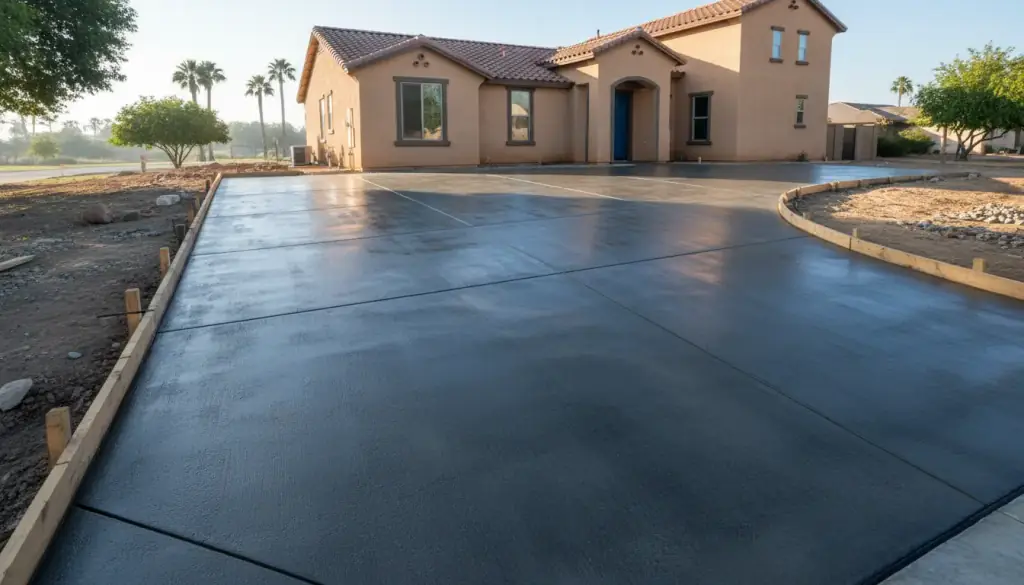
Sooner or later, almost every homeowner who plans a project asks the same question: do I need a permit for this? It's a fair thing to wonder, because permits can feel like paperwork standing between you and a finished room. This guide explains in plain language what a building permit is, how to think about whether your job needs one, and why it's worth getting right.
What a building permit actually is
A building permit is official permission from your local building department to do certain construction work. It usually comes with a review of the plans before work starts and inspections while the work is underway. The idea is simple. Someone with no stake in your project checks that what's being built meets local building rules, especially the ones about structure, electrical, plumbing and fire safety.
Think of it as a second set of eyes on work that's about to be sealed inside your walls. After the drywall goes up, nobody can see whether the wiring was done properly. Inspections happen while that work is still visible.
It depends on the size and the type of job
There isn't one answer that fits every project. Whether you need a permit depends on the size of the job and on the type of work. In general terms, the more a project touches the structure of the house, the electrical system, the plumbing, or the footprint of the building, the more likely it is that a permit comes into play. Painting a bedroom is one thing. Taking out a wall, adding a room, or building a backyard unit is another.
Here are the kinds of work where it's smart to ask before you begin.
- Adding square footage, like a home addition or a backyard ADU.
- Changing the structure, such as removing or moving a wall.
- Running new electrical circuits or moving plumbing.
- Pouring new concrete for foundations or larger slabs.
- Replacing or enlarging windows and doors in the wall.
That list is a starting point for your thinking, not a ruling on your project. The specific rules come from your city or county, they differ from place to place, and they change over time. Your own address is what decides, so the dependable move is to ask someone who deals with those rules regularly.
Who applies for the permit
This is one of the main benefits of hiring a general contractor. At Fischer And Associates Urban Development, the answer to whether a job needs a permit starts with a phone call to one of the company's experts, and in almost every case Fischer applies for the proper building permits for the client. You aren't left standing at a counter with a stack of forms.
Fischer also says it takes care to stay updated on recent changes to local building code regulations. That's important for a reason beyond paperwork. The company points to its reputation, its licensing and the client's safety as the reasons everything it does needs to follow local guidelines. A contractor who treats the rules as optional is a contractor worth avoiding.
Why it matters for safety
The safety side is the real reason permits exist. A wall that carries a roof load, a circuit that powers a kitchen, a gas line, a drain that has to slope correctly: these are systems that can hurt people if they're done wrong. Plan review and inspection are there to catch mistakes while they're still cheap to fix and before anyone lives with them.
Why it matters when you sell
Permits come back around when you sell. Buyers and their agents often ask about past work on the house, and an inspector may notice an addition or a converted space that doesn't seem to match the records. Work done without the approvals it needed can complicate a sale, slow it down, or lead a buyer to ask for repairs or a lower price. It can also raise questions with insurance. Having paperwork that shows the work was approved and inspected gives you something solid to hand over.
If you've bought a home that already has unpermitted work, that's worth knowing too. A reputable contractor can look at what's there and talk through your options instead of pretending it isn't there.
What to do before you start
A few habits keep you out of trouble. Ask any contractor, before you sign, who pulls the permits and whether the cost of handling them is in the quote. Be wary of anyone who says you don't need one without looking at the job, or who offers to skip the process to save time. And keep your copies of the approved plans and the final sign-offs, because you'll want them later.
Fischer And Associates Urban Development serves Stockton, Sacramento, Tracy and the surrounding areas. If you aren't sure whether your project needs a permit, call (209) 205-5901 or use the contact page, describe what you have in mind, and ask. Asking before work begins is always the safer move.
Fischer And Associates Urban Development, LLC, (209) 205-5901
Call (209) 205-5901More articles
Building an ADU in a Stockton backyard: rental, in-law suite, or guest house
The building can look the same in all three cases, but who lives in it changes almost every decision you make.
What a general contractor actually does on a remodel
Behind every finished kitchen or bathroom is a schedule of specialists, and someone has to keep it in order.