What a general contractor actually does on a remodel
Behind every finished kitchen or bathroom is a schedule of specialists, and someone has to keep it in order.
October 15, 2026 · 4 min read
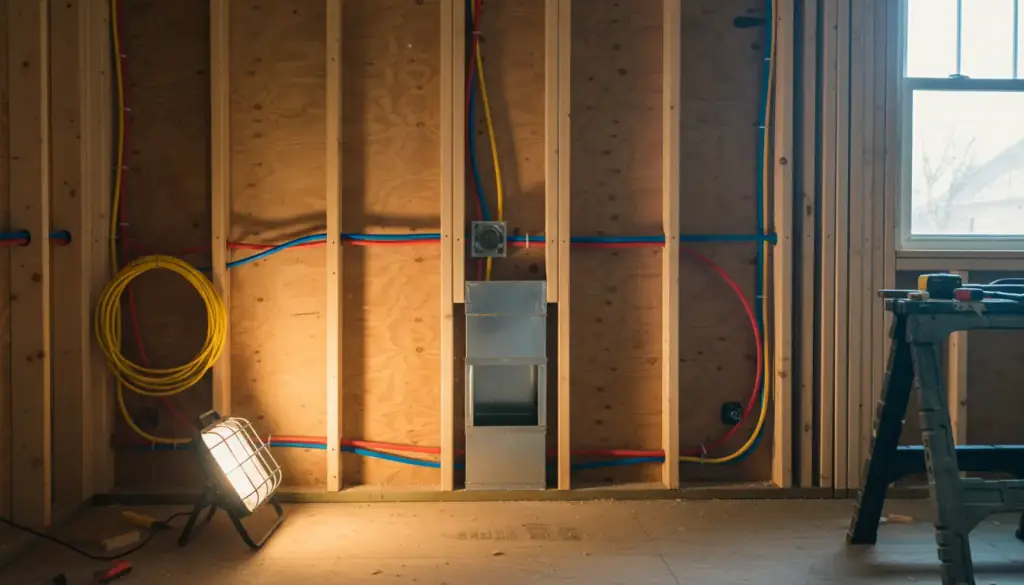
A remodel looks simple from the driveway. A crew shows up, walls come down, new things go in. Inside the house it's a stack of specialists whose work has to happen in a particular order, and somebody has to hold that order together. That somebody is the general contractor. Here's what the job involves, in plain terms, so you know what you're paying for when you hire one.
One point of contact, many specialists
Even a modest kitchen or bathroom remodel can call for several different kinds of tradespeople. Fischer And Associates Urban Development coordinates a set of teams on its projects: architects, plumbers, electricians, carpenters, engineers, concrete contractors, and window companies. The company has an in-house team and a group of long-term specialist subcontractors, and a general contractor's job is to hire these people, schedule them, and make sure each one has what it needs to do its part.
Here is what each group tends to handle on a typical project.
- Architects draw the plans that show what's being built and how it fits the existing house.
- Plumbers handle supply lines, drains and fixtures.
- Electricians handle wiring, circuits, outlets and lighting.
- Carpenters frame walls, set doors, and install trim and cabinets.
- Engineers answer structural questions, like whether a wall can come out or what has to carry the load above an opening.
- Concrete contractors pour footings, slabs, driveways and patios.
- Window companies measure, order and install windows to fit the openings.
Not every project needs all seven. A flooring update might need one or two trades. A room addition could need every one of them. The point is that you don't have to find, vet and schedule each person yourself.
Why the order of work matters
Most remodels follow a rough sequence. Demolition comes first. Then any structural changes. Then the hidden work inside the walls, where the plumber and electrician run pipes and wire. Then inspections where they apply, then insulation and drywall, and finally the visible finishes like paint, tile, trim and fixtures.
Get that order wrong and the cost shows up fast. If tile goes down before the plumber has set the shower valve, the tile has to come back up. If drywall closes a wall before the electrician has run a new circuit, someone is cutting into fresh work. Concrete has to set properly before anything gets built on top of it. Every trade depends on the one before it, and nobody on the crew wants to be the reason another trade has to redo something.
The general contractor is the one person who sees the whole sequence. If a window order runs late, the contractor knows which crews are affected and can rearrange the schedule, instead of letting two trades stand around or, worse, work out of order to stay busy.
Part craftsperson, part manager
A good general contractor does two jobs at once. During the planning phase, the contractor works with architects and blueprints to help you settle on the design and the materials you want. During the building phase, the contractor is both a skilled craftsperson and the manager of the subcontractors. Fischer describes its role the same way: highly skilled craftspeople on one side, managers of specialist teams on the other.
That mix matters. A manager who has never swung a hammer may not notice when a detail is wrong. A craftsperson who can't manage a schedule leaves you waiting. You want someone who can do both.
Reporting back to you
Coordination only works if information moves. Fischer uses site planning, strategizing and communications software so the people on a job know what everyone else is doing, and the company reports back to the client at every stage. In practice, good reporting answers four questions: what got finished, what happens next, whether anything unexpected came up, and whether you need to decide something.
Surprises are normal in older homes. You open a wall and find something nobody expected. What matters is how that gets handled. If anything needs to change from the original plan, Fischer gets the client's approval before going ahead, so you're never finding out about a change after it's done.
Insurance and responsibility
One more thing a general contractor takes on is responsibility. Fischer says every member of its team and every subcontractor it employs is fully insured, and that the company is a licensed general contracting company. When you hire each trade separately, you become the project manager, and you carry the risk if someone isn't covered. With a general contractor, one company answers for the whole job.
Questions worth asking any contractor
Before you hire anyone, ask who will actually do the work, whether subcontractors are insured, how often you'll get updates, and how changes to the plan are handled. The answers show you who is really running the job, not just whose name is on the truck.
If you're planning a remodel in Stockton, Sacramento, Tracy or nearby, call Fischer And Associates Urban Development at (209) 205-5901 or send a message through the contact page, and talk through what you have in mind.
Fischer And Associates Urban Development, LLC, (209) 205-5901
Call (209) 205-5901More articles
Building an ADU in a Stockton backyard: rental, in-law suite, or guest house
The building can look the same in all three cases, but who lives in it changes almost every decision you make.
How a construction estimate gets built, and why changes get approved first
Five ingredients go into every quote, and knowing them helps you compare bids and keep a project on budget.